Conditions Treated
Heel Pain
There are several causes of heel discomfort which related to the foot not properly absorbing pressure and energy when you take an initial step. When the biomechanics of the foot are off - whether from plantar fasciitis, achilles tenditis, flat feet, high arches or an uneven unstable gait - stress builds up in the heel. We assess these underlying biomechanical issues and design custom orthotic solutions that redistribute pressure, improve alignment and support proper movement.
Forefoot Pain - Metatarsalgia
We look closely at how the foot moves, how pressure is distributed and how the toe joints function during gait (walking). Issues such as bunions, arthritis, sesamoiditis, forefoot equinus, plantar-plate tears and gait related pain often stem from poor alignment or abnormal biomechanics. In the appointment, we identify these underlying causes and provide targeted solutions such as custom 3D printed insoles and shockwave therapy. By correcting mechanics and reducing stress on the big toe, orthotists help relieve pain, improve mobility and prevent the problem from worsening.
Flat Feet - Pronated Feet
Pronation is often viewed negatively, with the assumption that it should always be avoided. However, during walking and running, it’s actually normal for the foot to pronate or collapse inwards when it first makes contact with the ground. However, pronation does become problematic when it’s excessive as it can lead to issues such as mild to high levels of discomfort or pain. Symptoms often associated with pronation include arch pain, heel pain, toe joint pain, shin splints, and knee pain.
High Arches - Supinated
Supination is the complete opposite of pronation. Supination is the result of high arches where most of the pressure is through the outer edge of the foot and ankle. The foot is usually more rigid and this makes the foot and ankle not work as efficiently. Due to this "rigidity", the foot does not properly absorb shock during running or walking. This means that forces are not properly distributed. As well as this, the foot does not use the principles of a tripod force pattern meaning that less of the foot makes contact with the ground. Due to this reduced surface area, the pressure is higher. This may lead to pain or discomfort on the outside of the foot and ankle such as peroneal tendinopathy.
Shin Pain
The most common cause of shin pain is overuse of the muscles in the lower limb. When the muscles are pushed to their limit, they react through inflammation or can be strained. At the worst, they can cause tibial stress fractures if not treated properly. These issues can lead to moderate to severe pain either during and/or after running.
Knee Pain
While some knee discomfort is linked to degenerative changes or conditions like arthritis creating wear and tear in the joint, other cases arise from biomechanical issues—such as poor alignment or muscular imbalances—which lead to pain during movement. Many people experience no knee problems in day-to-day life, but symptoms begin once they increase their activity levels, such as running or walking longer distances. The specific location of the pain within the leg can often provide clues about the underlying issue.
Hip Pain
Hip pain is often associated with conditions such as hip bursitis, osteoarthritis, iliotibial band syndrome or muscle imbalances caused by poor lower-limb alignment. Excessive foot pronation or leg length discrepancies can alter hip mechanics and increase joint stress. Orthotic devices help correct foot alignment and improve gait, reducing rotational stress through the hips and allowing muscles and joints to function more efficiently.
Lower Back Pain
Lower back pain may be linked to conditions such as lumbar strain, disc irritation or sacroiliac joint dysfunction. Poor foot posture can contribute to pelvic tilt and uneven spinal loading. Orthotics provide a stable base, support neutral foot positioning and help restore proper pelvic alignment, which can reduce stress on the lumbar spine.
Neck Pain
Neck pain is commonly associated with postural dysfunction, muscle tension or cervical spine strain. Misalignment in the lower body can cause compensatory postures that affect the entire spine. Orthotics help improve overall alignment from the ground up, reducing compensatory strain and muscular tension in the neck.
Shoulder Pain
Common shoulder conditions include rotator cuff tendinopathy, impingement or muscular imbalance. In terms of orthotics, there are many devices and orthoses which are able to position the shoulder in a more efficient position which allow for better use and reduction in discomfort or pain.
Elbow Pain
Elbow pain, including conditions such as tennis elbow or golfer’s elbow, is often caused by repetitive stress and poor upper-limb mechanics. These are effectively managed through upper limb orthoses/devices.
Wrist and Hand Pain
Wrist and hand pain may be related to conditions such as carpal tunnel syndrome, tendinitis, or repetitive strain injuries. Wrist hand orthoses (WHO) are usually prescribed to restrict movement and allow for enhanced healing.
Appointment and Treatments Overview
Mini Biomechanics Foot and Ankle Assessment £35
In this appointment, we assess how the foot and ankle move and how this is affecting your other joints such as your knees, hips and lower back. Your biomechanics affecting your body is also assessed and gives us a big picture about you.
How the assessment is performed:
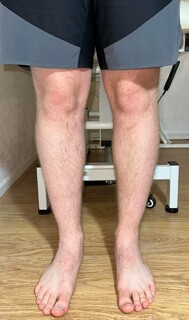
- First we evaluate the position of the feet/ankles, how the joints move and their posture. This is done standing.
- Then we assess the non-weightbearing position and record any biomechanical abnormalities which may be affecting the gait pattern which in turn may be causing any foot, ankle, knee or hip pain.
- If there is time, we assess your walking pattern using the treadmill.
If insoles are required, then we take the shape of your feet using a foam box casting impression. Using these details, a custom bespoke foot orthotic is expertly designed to ensure clinical accuracy and close fitting arch profiles for greater compliance.
Full Optogait Treadmill Video 3D Computerised Gait Analysis £80
If you are a keen walker or runner who are experiencing any lower limb pain, then you are suitable for a full biomechanical assessment as this will be able to show anything and everything that is occuring biomechanically causing your pain.
The assessment involves 4 different core examinations. With the introduction of cutting edge OptoGait optical detection system, we are able to provide a full biomechanical analysis to meet the needs of both everyday walking enthusiasts and top level professional sports people alike:
- First we evaluate the position of the feet and ankles, how the joints move and their posture.
- Then we visualise the position and record any biomechanical abnormalities which may be effecting the gait pattern which in turn may be causing any foot, ankle or knee pain.
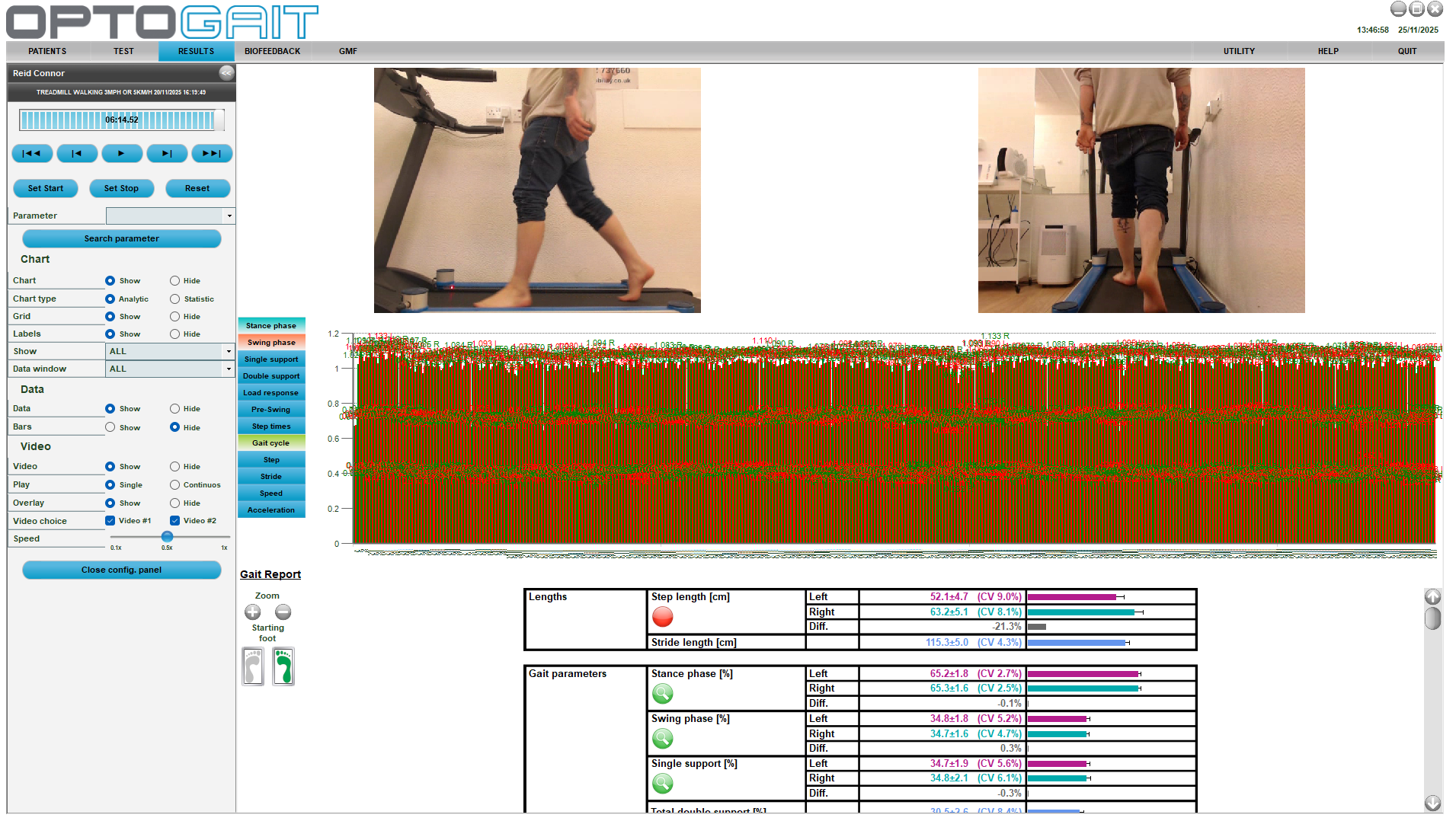
- We then ask you to walk on a treadmill where Optogait measures different aspects of your gait cycle. We view your walking from 2 different angles; sagittal (side) and coronal (behind).
Optogait is a optical-based system that analyses movement and functional assessment, using infrared beams to measure gait parameters such as stride length and contact/flight times with high precision. It provides real-time data and video analysis to help professionals monitor patient progress, identify asymmetries and assess the effectiveness of treatments for walking, running, or sports injuries.
Applications of Optogait
Injury Assessment and Rehabilitation: Helps identify the extent of an injury and monitor the effectiveness of treatment plans for patients with walking or running problems.
- Sports Performance: Used by orthotists to analyse movement, prevent injuries, and improve performance.
- Orthotic Assessment: Verifies the efficacy of orthotics by analysing dynamic movement patterns.
- Functional Testing: Conducts various tests like jump tests and agility tests to assess a patient's dynamic stability, reactivity, and overall movement capacity.
Key Benefits
Allows for precision and objectivity which provides accurate, numerical data that goes beyond visual assessment and the integrated video analysis combines objective data with a synchronised video for a comprehensive view of movement.
General Orthotics Assessment £40
Ankle Foot Orthosis
Ankle Foot Orthosis (AFO) comes in many forms. Most commonly you see an ankle brace which is designed to restrict movement around the ankle joint therefore reducing pain which may be caused by conditions such as arthritis or an ankle ligament injury. However, there are also carbon AFOs which are designed to not only restrict movement at the ankle, but to change where forces are being applied on the knees and even the hips. As there are several types of AFOs, it is essential that the correct one for you and your presenting problem is chosen. The leg shape is captured through precise measurements or a custom plaster of paris cast.
Knee Braces
There are several reasons as to why a person may use a knee brace. These include issues such as; Osteoarthritis (OA) and Anterior/Posterior Cruciate Ligament (ACL/PCL) damage from sports such as rugby and football. Knee braces are specially designed to help these issues and have 3 or 4 point force designs to ensure that corrective forces are being applied in the accurate area of the knee. Knee braces are made from several different materials with most being either plastic, metal or carbon composite. To ensure your knee is being supported in the most optimal way, it is important we have good and informative appointment. The leg shape is captured through measurements.
If you require insoles, no matter what type, it is important that we perform a review 4 - 6 weeks after they are fitted. Insoles usually take 2 weeks of partial use and 2 weeks of full time use for you to get completely accustomed to them. Without this gradual wear in, the body will not comprehend the change. During the appointment, we can assess how well the body has adapted to the insoles. This is done by taking pictures and videos as they can show whether the insoles are supporting and correcting your foot and ankle position.
- 3D Printed Foot Orthotics
- Avaliable in 3/4 or full length
- Digitally scanned and computer designed
- The rigidity of the orthotic is determined by weight, activity and sport requirements
- Low profile design
- Foam lining on full length models
- Various colours of top covers available
Customised Flat Base Prescription Insoles from £25 per insole
Our standard prefabricated Orthotic solutions which can be adapted to the shape of your feet on the day, whereas our fully bespoke orthotic insoles are entirely custom made. These insoles are more suitable to shallow footwear and for those who have issues which require short term solutions.
Shockwave Therapy Pain Relief £50 per visit (or 6 sessions for £250)
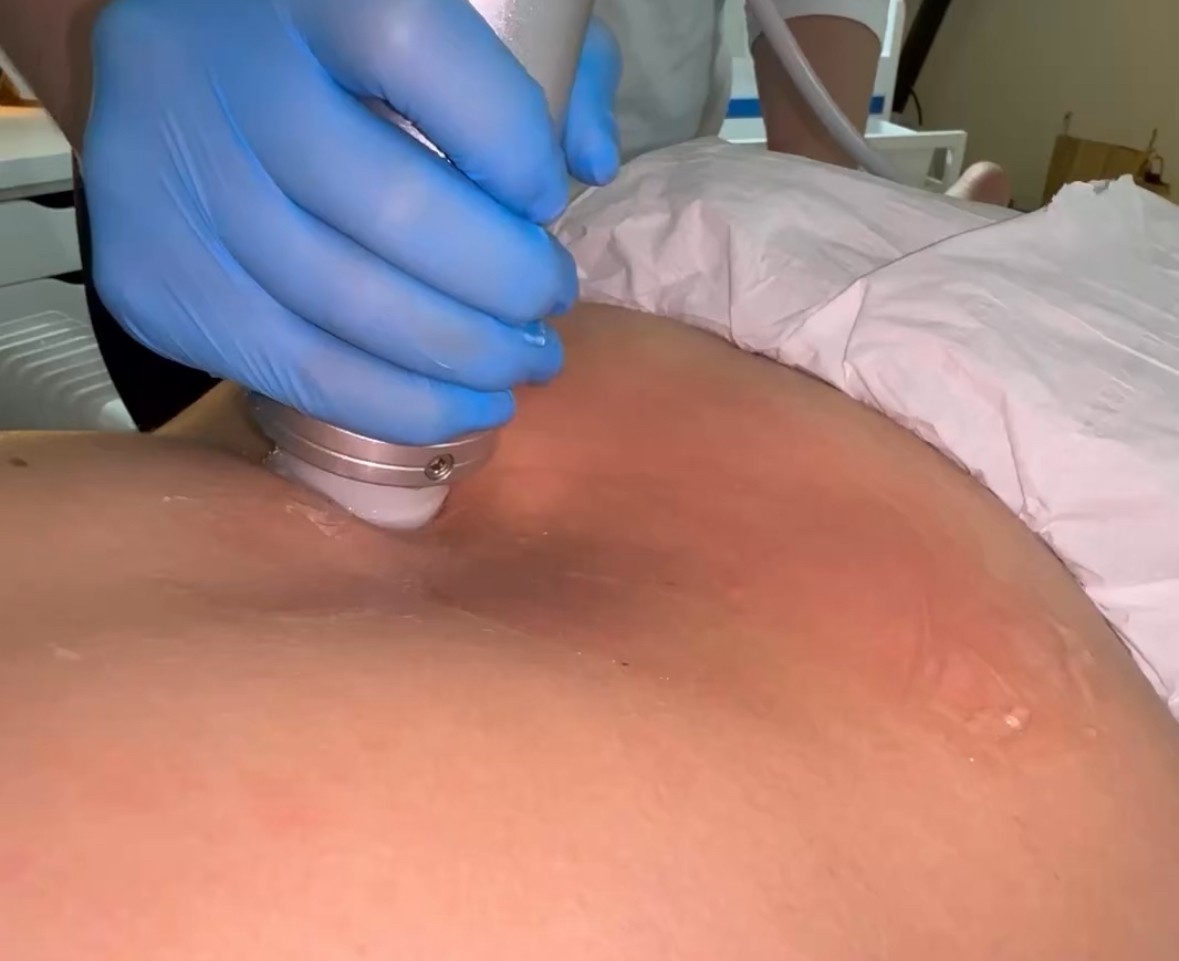
Shockwave works by delivering mechanical sound energy through a probe onto the injured tissue to create a controlled, healing inflammation like response. This increases blood flow and circulation, stimulates formation of new blood vessels and promotes cell regeneration and healing in the targeted area. The shockwaves can also break down calcifications and over stimulate local nerves to reduce sensitivity and pain.
They can be used to treat many foot and leg conditions including: Arthritic joints, Plantar fasciitis, Heel spurs, Achilles tendonitis, Stress fractures, Ankle pain, Knee pain, Muscular injuries and General foot pain.
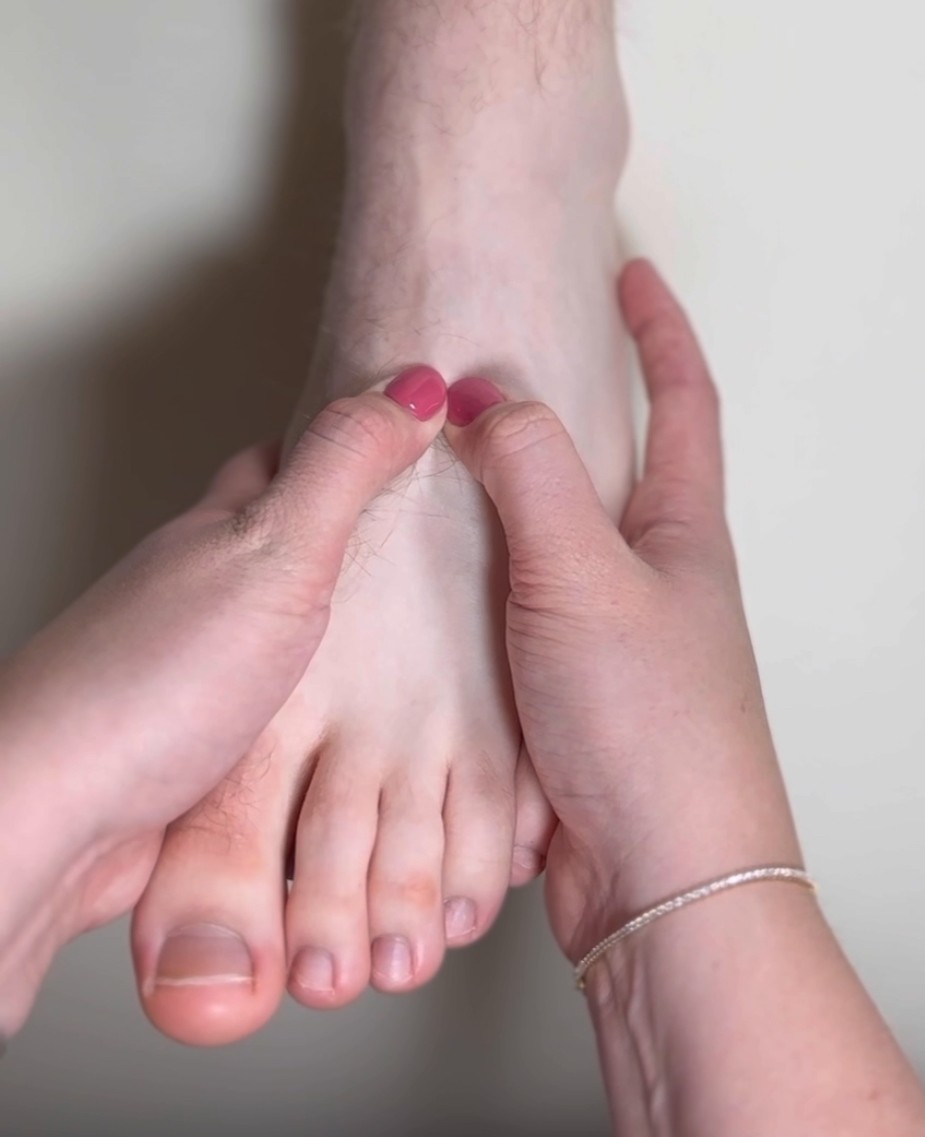
Foot and ankle mobilisation is a manual therapy technique used by orthotists to restore mobility and function to the joints of the foot and ankle. By targeting stiff, misaligned or dysfunction joints, mobilisation aims to reduce pain, improve flexibility and enhance overall biomechanics.
What conditions are suitable for Mobilisation?
The most common conditions which best benefit from foot mobilisation includes; Plantar fasciitis, Stiff foot and ankles, Pronated feet (flat feet), Tight shin muscles and tendons, Ankle pain and Anxiety.